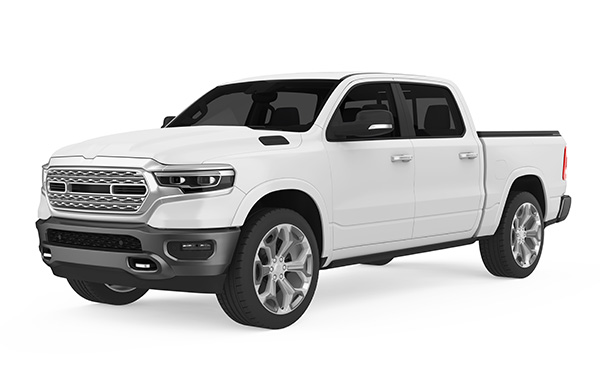
A Ford owner usually knows the small signs before anyone else does. The shift feels a little different. The truck pulls slightly with a trailer hooked up. The Escape starts making a new noise over bumps. The F-150 still runs, but the fuel economy is not what it was.
Those little changes are worth paying attention to.
Ford vehicles can last a long time with the right care, but they still need service that matches the model, mileage, engine, transmission, and how the vehicle is used. Here are the Ford service and repair questions drivers ask most often.
1. How Often Should My Ford Get An Oil Change?
Start with the schedule in the owner’s manual, then adjust for real driving. Short trips, towing, traffic, long idle time, heat, and cold starts can all make oil work harder.
Ford engines need the correct oil type and specification. That is especially important for turbocharged EcoBoost engines, where clean oil helps protect timing components and turbo parts. If the oil level drops between services, check the leak or oil use instead of waiting for the next oil change.
2. What Maintenance Does An EcoBoost Engine Need?
EcoBoost engines are strong, but they need clean oil, good filters, healthy ignition parts, and a sealed intake system. Turbocharged engines run hot and depend on steady oil flow. Delayed oil changes can lead to deposits and wear in areas that are hard to see.
Watch for rough idle, hesitation, coolant loss, oil leaks, or a check engine light. A small boost leak, a worn spark plug, a weak coil, or a PCV issue can make the engine feel flat or rough before it becomes a bigger repair.
3. When Should Spark Plugs Be Replaced?
Spark plugs should be replaced according to Ford’s service schedule and the vehicle's driving conditions. Worn plugs can cause hard starts, rough idle, misfires, lower fuel economy, and hesitation under load.
If spark plugs stay in too long, the ignition coils may have to work harder to fire them. That can turn a maintenance item into a coil repair. If the check engine light flashes, the misfire is active and needs faster attention.
4. Does My Ford Transmission Need Fluid Service?
Many Ford transmissions require fluid service at the recommended interval, especially when towing, commuting in traffic, or carrying heavy loads. Old fluid can affect shift feel, heat control, and internal wear.
Harsh shifts, delayed engagement, slipping, shuddering, or a burnt smell are all signs to schedule an inspection. Transmission fluid type and service procedure matter. The wrong fluid or an incorrect fill level can create problems that were not there before.
5. Why Is My Ford Check Engine Light On?
A Ford check engine light can be caused by misfires, EVAP leaks, oxygen sensor issues, fuel mixture problems, catalytic converter concerns, turbo issues, thermostat problems, or sensor faults. The code tells us where the vehicle noticed the problem, not always which part failed.
A steady light usually gives you time to schedule diagnostics. A flashing light is more urgent because it often points to a misfire that can damage the catalytic converter.
6. What Brake Service Does My Ford Need?
Brake service depends on wear, driving style, and vehicle use. An F-150 that tows will wear brakes differently than a Fusion used mostly for commuting. Pads, rotors, calipers, hoses, hardware, and brake fluid all affect stopping feel.
Squealing, grinding, vibration, pulling, a soft pedal, or a hot smell near one wheel means the brakes need attention. Waiting for grinding usually makes the repair more expensive because the rotors may already be damaged.
7. Why Does My Ford Shake Or Pull While Driving?
A shake can come from tire balance, uneven tire wear, a bent wheel, suspension wear, or brake problems. Pulling can result from alignment issues, tire pressure, worn steering components, brake drag, or suspension movement.
The timing helps. A shake at highway speed points one direction. A shake only while braking points another. A pull after hitting a pothole or curb should be checked before it starts wearing out the tires.
8. How Often Should Coolant Be Checked?
Coolant should be checked during regular maintenance, and anytime you notice a sweet smell, temperature change, heater problem, or low reservoir level. Coolant does not disappear for no reason.
Ford cooling system leaks can come from hoses, water pumps, radiators, reservoirs, thermostat housings, or fittings. Some leaks dry before they leave a puddle. Low coolant levels can lead to overheating, and overheating can quickly damage gaskets and engine parts.
9. What Service Helps My Ford Last Longer?
The basics do most of the heavy lifting. Oil changes, coolant checks, transmission fluid service, brake checks, tire rotations, battery testing, filter replacement, belt and hose checks, and leak inspections all help prevent expensive surprises.
The best maintenance plan fits the vehicle. A work truck, a family SUV, a commuter car, and a towing vehicle should not all be treated the same way.
10. How Do I Know Which Ford Repair Comes First?
Safety and damage risk come first. Brake problems, overheating, oil pressure warnings, steering concerns, flashing check engine lights, major leaks, and transmission slipping need faster attention.
Other items can often be planned based on a condition. A good shop should explain what needs repair now, what can wait, and what should be watched at the next visit. That makes the decision easier and keeps the work focused.
Get Ford Service And Repairs In Waldorf, MD, With Cottman of Waldorf
If your Ford is due for maintenance, showing warning lights, shifting strangely, leaking fluid, or starting to feel different, Cottman of Waldorf in Waldorf, MD, can inspect it and explain what your vehicle needs.
Schedule a visit and keep your Ford serviced with a clear plan instead of waiting for a small clue to become a bigger repair.