A lot of drivers hear the word clutch and immediately picture a third pedal and a stick shift. Then someone says an automatic has a clutch too, and it sounds like a contradiction.
The truth is a little more interesting than a yes-or-no answer. Automatics do use clutch components, just not in the way most people imagine, and knowing the difference can help you understand odd shifting, slipping, or that high-RPM feeling that shows up at the worst time.
What Most People Mean When They Say Clutch
In a manual transmission, the clutch is a single friction disc that connects and disconnects the engine from the transmission. You press the pedal, the disc releases, and you can change gears. Let off the pedal, and the disc grabs again so power goes to the wheels.
That is why people associate clutch problems with a slipping feeling, a burning smell, or difficulty getting into gear. When you drive an automatic, you do not have that pedal, but the transmission still has to engage and disengage power in a controlled way. It just does it internally.
How A Traditional Automatic Replaces The Manual Clutch
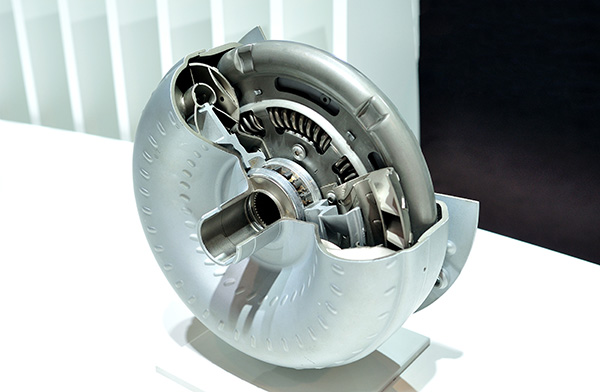
Most traditional automatics use a torque converter instead of a manual-style clutch pedal setup. Think of the torque converter as a fluid coupling that lets the engine keep running while the vehicle is stopped in gear. It also helps multiply torque off the line, which is part of why automatics feel so easy to drive in traffic.
Even though the torque converter handles the main coupling, many torque converters also include a lock-up clutch. That lock-up clutch engages at cruising speeds to reduce slip and improve efficiency. If you have ever felt a subtle surge or shudder at steady speed, that lock-up clutch is one possible source.
Where The Clutches Actually Live Inside An Automatic
Inside a traditional automatic transmission, gear changes are handled by clutch packs and bands. These are internal friction components that apply and release to hold different parts of the gearset. That is how the transmission switches ratios without you doing anything.
These internal clutches are not a single disc like a manual clutch. They are stacks of friction plates designed to handle heat and load. Over time, they can wear, especially if the fluid condition is poor or the transmission is running hot. At Cottman of Waldorf, we’ve seen that consistent fluid maintenance often makes a real difference in how long these clutch packs stay healthy.
Automatic Transmissions That Use A Clutch More Like A Manual
Some automatics are built differently, and they can confuse the conversation even more.
Dual-clutch transmissions, often called DCTs, use two clutches to pre-select gears. They can shift very quickly, but they also rely heavily on clutch control and calibration. Some CVTs use a start clutch instead of a torque converter. Automated manual transmissions also use a clutch, but it is controlled by actuators rather than a driver pedal.
So yes, some automatics really do have a clutch that behaves more like a manual clutch. It depends on the transmission design.
Signs The Transmission Clutches May Be Slipping
Whether it is an internal clutch pack, a torque converter lock-up clutch, or a dual-clutch setup, the warning signs often manifest as a mismatch between engine and vehicle speeds. Here are patterns that deserve attention:
- RPM rises but the car does not accelerate the way it should, especially on hills or when merging.
- Shifts feel delayed, then hit harder than normal once they finally engage.
- You notice a shudder or vibration at steady cruising speed when the converter is trying to lock up.
- There is a burning smell after driving, especially after stop-and-go traffic.
- The transmission seems to hunt between gears or feels inconsistent under light throttle.
If a transmission temperature or drivetrain warning appears on the dashboard along with these symptoms, it is a good reason to have it checked soon.
What Makes Automatic Clutches Wear Faster
Clutches inside an automatic live and die by fluid condition and temperature. Heat is a big factor because it breaks down fluid and reduces the clutches’ ability to hold without slipping. Heavy towing, repeated hard acceleration, and long stop-and-go drives can all add heat.
Low or old transmission fluid can also cause trouble. Fluid helps apply the clutches with proper pressure, and it also carries heat away. If the fluid is degraded, the clutches can start slipping more, which creates more heat, and that cycle can accelerate wear. We’ve also seen leaks ignored for too long, and by the time the owner notices a shift change, the fluid level has already been low for a while.
A Simple Decision Guide If You Notice Shifting Changes
Not every odd shift means the transmission is done. Still, small symptoms are worth catching early.
- If you only notice a change once in a while, start by checking whether it happens under the same conditions, like cold mornings, heavy traffic, or highway cruising.
- If the issue is becoming more frequent, or if you feel slipping, shuddering, or delayed engagement, schedule an inspection before it escalates.
- If the car suddenly struggles to move, or it revs high with little movement, it is safer to stop driving and have it towed rather than forcing it.
Get Automatic Transmission Service in Waldorf, MD, with Cottman of Waldorf
We can inspect your transmission operation, check fluid condition and level, and pinpoint whether the issue is related to internal clutch wear, torque converter lock-up behavior, or another drivability concern. We’ll walk you through what we find and recommend the next step based on the condition of your transmission.
Call Cottman of Waldorf in Waldorf, MD, to schedule an automatic transmission check and get confident shifting back.