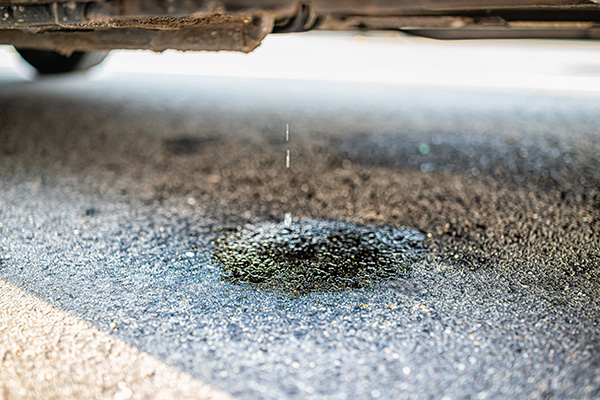
A small spot on the driveway is easy to shrug off. The problem is that fluids do more than make a mess, they protect parts that are expensive to replace. When a leak starts, it rarely stays the same size, and the damage often happens where you cannot see it. If you catch leaks early, the repair is usually straightforward and the car stays reliable.
Why Tiny Leaks Get Expensive Fast
A slow leak can turn into a big repair because the fluid level keeps dropping while you keep driving. Once the level gets low enough, the system starts running hotter, working harder, or losing lubrication. We see this a lot with oil, coolant, and transmission fluid because they are tied directly to heat control and wear protection. What began as a gasket seep can end up as overheating, slipping, or internal damage.
Leaks also attract dirt, which makes everything harder to service later. Oil and power steering fluid collect grime that hides new leaks and softens rubber components over time. Coolant can leave crusty deposits that spread across housings and hose connections. The longer it goes, the more likely a simple fix becomes a parts-and-labor event.
Common Places Leaks Start
Most leaks begin at seals, gaskets, hoses, or fittings that age and harden. Heat cycles and vibration take a toll, especially on vehicles that do a lot of stop-and-go driving. Some leaks show up only when the engine is hot and pressure builds, so you might not see anything on the ground after a short trip. That is why a quick look under the hood does not always tell the full story.
Here are a few common leak sources that show up often:
- Valve cover gaskets and oil filter housings
- Radiator end tanks, hose connections, and water pumps
- Transmission pan seals and cooler lines
- Power steering hoses and rack seals
- Brake lines and caliper seals
These are all normal wear areas, but the timing matters. If you spot it early, you are usually repairing a seal or hose. If you wait, you might be repairing what the low fluid level damaged next.
How Leaks Create Secondary Damage
The first wave of damage is usually heat. Low coolant can create hot spots in the engine that warp components or damage head gaskets. Low transmission fluid can reduce hydraulic pressure and cause clutches to slip, which generates even more heat. Low oil can starve bearings, and even brief low-pressure moments can leave lasting wear.
The second wave is contamination. Coolant that leaks onto sensors or wiring can cause electrical issues and false warning lights. Oil leaking onto rubber bushings and engine mounts can soften them and shorten their life. Fluids can also drip onto belts, which leads to squealing, slipping, and loss of accessory drive when you need it most.
Signs A Leak Is Getting Worse
A growing puddle is the obvious sign, but there are quieter clues too. If you are topping off the same fluid repeatedly, that is not normal, even if the car seems to drive fine. A sweet smell after driving can point to a coolant leak, while a burning smell can happen when oil drips onto hot exhaust parts. If you see smoke from under the hood after a stop, treat it as a serious warning.
Watch the way the car behaves as well. Overheating, a heater that blows cool at idle, or a temperature gauge that creeps up in traffic can point to coolant loss. A transmission that delays going into gear or shifts oddly can be related to a low fluid level. Our technicians also pay attention to where the leak shows up, because airflow can push fluids backward and make the source look confusing.
Prevention That Actually Works
The best prevention is catching seepage before it becomes a loss-of-fluid problem. Check fluid levels on a consistent schedule, especially oil and coolant, and look for changes instead of waiting for a warning light. If you notice the oil level dropping between changes or coolant needing frequent top-offs, address it sooner. This is exactly where regular maintenance pays off, because you are not starting from behind.
It also helps to keep the underside reasonably clean. A filthy engine bay hides fresh wet spots and makes it harder to track where the leak starts. If you notice a damp area, do not just wipe it and forget it. Make a note of how fast it returns and whether it worsens after longer drives.
What To Do When You Spot A Puddle
First, identify what you can safely identify. Oil is usually brown to black and feels slick, coolant can be pink, orange, green, or blue depending on type, and it often dries with a crusty residue. Transmission fluid is often red or amber and feels slippery, and brake fluid tends to feel slick but thinner and is a bigger safety concern. If the fluid is near a wheel, do not ignore it.
Next, schedule an inspection before you keep stacking miles on it. Driving with low fluid is where small leaks turn into big repairs, even if the car still feels normal. If the temperature gauge rises, the oil light appears, or the brake pedal feels different, stop driving and get the vehicle towed. That choice often saves the most money.
Get Fluid Leak Repair In Waldorf, MD, With Cottman of Waldorf
If you’re dealing with spots on the driveway or you keep adding fluids, the next step is to book service so the leak is repaired before it causes bigger damage. Schedule service with Cottman of Waldorf in Waldorf, MD, to stop the leak at the source and keep your vehicle dependable for the long haul.