Posted on 7/31/2026
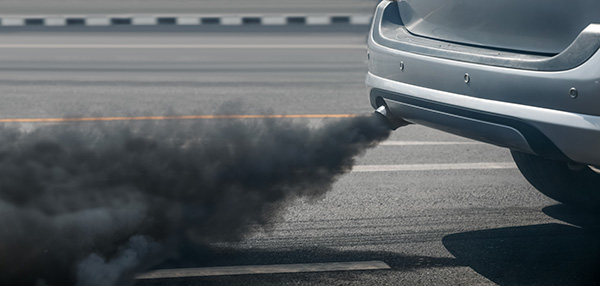
Seeing thick black smoke coming from your exhaust is one of those moments that gets your attention immediately. At our shop, when a customer describes this, we know they are usually worried for good reason. Black smoke is not something most drivers would call normal, and in most cases, it is your vehicle’s way of saying the engine is burning too much fuel. That matters because your engine is supposed to run with a careful balance of air and fuel. When that balance gets thrown off and the engine starts running too rich, the exhaust can turn dark and smoky. The smoke may come and go at first, or it may be obvious enough to make you nervous every time you accelerate. Either way, it is a sign that something is not working the way it should. The good news is that black smoke usually points us toward a fairly specific type of problem. The less good news is that it can lead to poor fuel economy, rough performance, and more expensive damage if it keeps happening for too long. ... read more
Posted on 6/26/2026
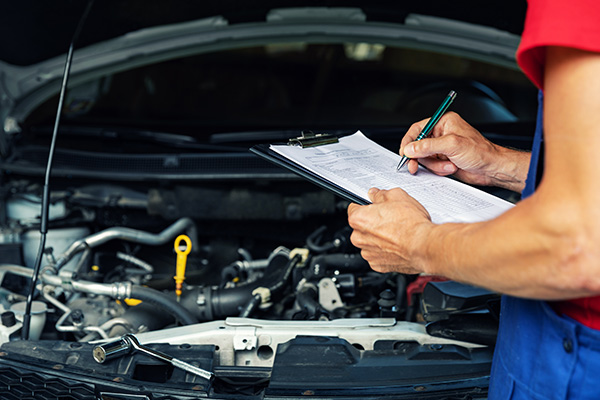
There is a unique kind of pride that comes with glancing down at your odometer and watching the numbers roll over into major territory. In a world where the average monthly payment for a brand-new vehicle keeps climbing, keeping your current ride healthy and completely paid off is one of the smartest financial moves you can make. Whenever a customer pulls into our service bay with a car that has cruised past two hundred thousand miles, our team of mechanics treats that vehicle with a massive amount of respect. Reaching that legendary mileage milestone is never an accident. It doesn't mean the owner just got lucky with a bulletproof engine from the factory. Instead, it is always the direct result of a few deliberate, everyday habits that protect the machine from premature wear and tear. At our repair shop, we want to share the practical, real-world strategies that high-mileage drivers use to keep their vehicles running strong, safe, and dependable for decades. Become a Flu ... read more
Posted on 5/29/2026

A Ford owner usually knows the small signs before anyone else does. The shift feels a little different. The truck pulls slightly with a trailer hooked up. The Escape starts making a new noise over bumps. The F-150 still runs, but the fuel economy is not what it was. Those little changes are worth paying attention to. Ford vehicles can last a long time with the right care, but they still need service that matches the model, mileage, engine, transmission, and how the vehicle is used. Here are the Ford service and repair questions drivers ask most often. 1. How Often Should My Ford Get An Oil Change? Start with the schedule in the owner’s manual, then adjust for real driving. Short trips, towing, traffic, long idle time, heat, and cold starts can all make oil work harder. Ford engines need the correct oil type and specification. That is especially important for turbocharged EcoBoost engines, where clean oil helps protect timing components and turbo parts. If th ... read more
Posted on 4/30/2026
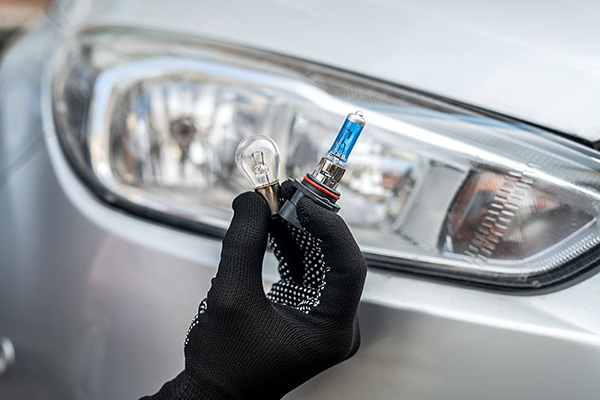
Headlights are not something most drivers think about until one goes out. Replacing a bulb once in a while is normal. When the same headlight keeps burning out over and over, it starts to feel like something is not right. Repeated headlight failure usually points to an underlying issue. The bulb is just the part that fails first, not always the cause. Poor Quality or Incorrect Bulbs Not all headlight bulbs are built the same. Lower-quality bulbs or the wrong type for your vehicle can have a shorter lifespan. Even if they fit, they may not handle heat or voltage the way they should. Using the correct bulb type and a reliable brand makes a difference. It helps ensure the bulb can handle normal operating conditions without failing early. Voltage Fluctuations in the Electrical System Headlights rely on a stable electrical supply. If the voltage is too high, bulbs can burn out faster than expected. This can happen if the alternator is overcharging or ... read more
Posted on 3/27/2026
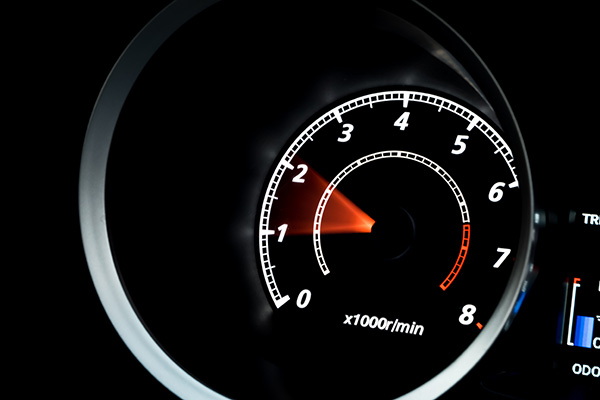
Some cars give themselves away in the first minute of the day. They start, then shake a little at the light, stumble in the driveway, or sound uneven until the engine settles down. After that, they drive almost normally, which is why a lot of people put the problem off longer than they should. That roughness is usually an early clue, not a harmless habit. Why It Shows Up Most When The Engine Is Cold The engine has a tougher job right after startup than it does ten minutes later. Fuel does not burn as cleanly, airflow has to be controlled more carefully, and the computer is making quick adjustments while everything is still coming up to temperature. If one part of that process is weak, the engine will usually show it right away. That is why the same car can feel shaky at the first stop sign, then seem almost fine once the temperature needle begins to rise. The problem did not disappear. The engine just became better at covering it up once conditions got easier ... read more
Posted on 2/27/2026
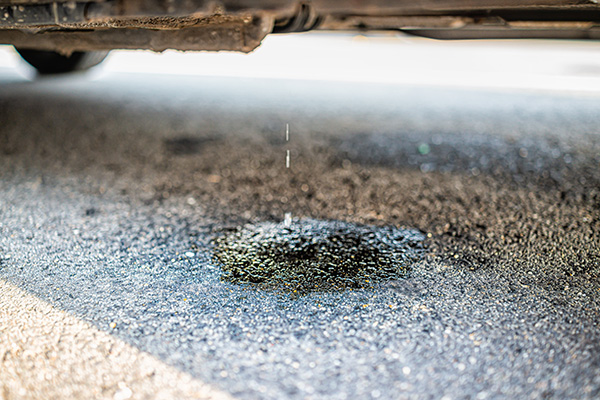
A small spot on the driveway is easy to shrug off. The problem is that fluids do more than make a mess, they protect parts that are expensive to replace. When a leak starts, it rarely stays the same size, and the damage often happens where you cannot see it. If you catch leaks early, the repair is usually straightforward and the car stays reliable. Why Tiny Leaks Get Expensive Fast A slow leak can turn into a big repair because the fluid level keeps dropping while you keep driving. Once the level gets low enough, the system starts running hotter, working harder, or losing lubrication. We see this a lot with oil, coolant, and transmission fluid because they are tied directly to heat control and wear protection. What began as a gasket seep can end up as overheating, slipping, or internal damage. Leaks also attract dirt, which makes everything harder to service later. Oil and power steering fluid collect grime that hides new leaks and softens rubber components over tim ... read more
Posted on 1/30/2026
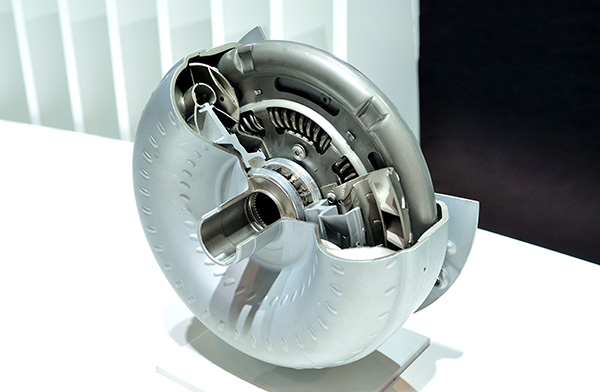
A lot of drivers hear the word clutch and immediately picture a third pedal and a stick shift. Then someone says an automatic has a clutch too, and it sounds like a contradiction. The truth is a little more interesting than a yes-or-no answer. Automatics do use clutch components, just not in the way most people imagine, and knowing the difference can help you understand odd shifting, slipping, or that high-RPM feeling that shows up at the worst time. What Most People Mean When They Say Clutch In a manual transmission, the clutch is a single friction disc that connects and disconnects the engine from the transmission. You press the pedal, the disc releases, and you can change gears. Let off the pedal, and the disc grabs again so power goes to the wheels. That is why people associate clutch problems with a slipping feeling, a burning smell, or difficulty getting into gear. When you drive an automatic, you do not have that pedal, but the transmission still has to enga ... read more