Some engine problems arrive with a bang. Most sneak up slowly. A little noise here, a faint smell there, a warning light that flickers and then goes away. If you know what those early signs usually mean, you are much more likely to fix the small stuff before it snowballs into major engine damage and a big repair bill.
Why Modern Engines Still Develop Problems
Modern engines are built better than ever, but they work harder than many people realize. Tight tolerances, turbochargers, direct injection, and stop-and-go traffic all add stress. Fluids age, rubber seals shrink, carbon builds up, and heat cycles slowly wear parts out.
The good news is that most of the common failures follow patterns. When we see engines come into the bay with big issues, there are usually clues that were present weeks or months earlier. Paying attention to those clues is half the battle.
1. Overheating and Cooling System Failures
Overheating is one of the fastest ways to ruin an engine. A weak water pump, sticking thermostat, clogged radiator, or leaking hose can all leave the coolant system struggling. Early on, you might see the temperature gauge creeping higher in traffic or on hills, then dropping again when you get moving.
If the gauge ever gets into the red, a hot coolant light comes on, or you see steam from under the hood, that is an emergency. Driving through an overheat can warp cylinder heads, blow head gaskets, and damage sensors. The best way to avoid that nightmare is simple: keep an eye on the gauge, have coolant changes done on schedule, and fix small leaks before the system runs low.
2. Oil Leaks and Low Oil Level Damage
Engines rarely fail from “old age” alone. They fail when they run low on oil. Valve cover gaskets, oil pan gaskets, cam seals, and crank seals all harden with heat and time, and that is when seepage starts. A light film on the engine is common. Puddles on the ground or visible drips on the exhaust are not.
Running even a quart or two low over and over speeds up wear on bearings, camshafts, and timing components. Checking the dipstick monthly and at every fuel fill on longer trips is one of the cheapest habits you can build. If you are adding oil frequently, we can help you figure out whether it is leaking out, burning, or both, instead of waiting for the low level to catch the engine off guard.
3. Misfires, Rough Running, and Power Loss
Misfires and rough running are often written off as “bad gas” or “just a little stumble,” but they are your engine’s way of saying the combustion process is off. Worn spark plugs, tired ignition coils, dirty injectors, vacuum leaks, and failing sensors can all cause cylinders to fire inconsistently.
Common signs include:
- Shaking at idle or when you come to a stop
- Hesitation when you pull away from a light
- A flashing check engine light under load
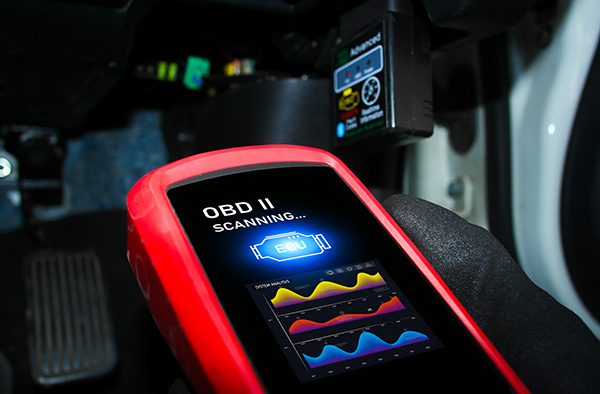
A steady check engine light usually means the computer has stored a fault. A flashing light during a misfire is more serious because raw fuel can overheat and damage the catalytic converter. When we see a flashing light tied to rough running, we always recommend easing up and getting it checked sooner rather than later.
4. Timing Belt and Timing Chain Issues
The timing belt or chain keeps the camshaft and crankshaft in sync. If that relationship slips, valves can collide with pistons on many engines, leading to catastrophic damage. Belts are rubber and have a mileage and time limit. Chains run in oil and can stretch or suffer from worn guides and tensioners, especially when oil changes are stretched too far.
Early warning signs include rattling on cold start, metallic noises from the front of the engine, or timing-related codes. Following the recommended replacement interval for timing belts and keeping oil fresh for chain-driven setups are two of the most important steps you can take to avoid serious internal damage.
5. Fuel and Air System Troubles (Pumps, Filters, Sensors)
Your engine needs the right mix of fuel and air to run properly. Weak fuel pumps, clogged filters, dirty throttle bodies, and failing sensors like the mass airflow or oxygen sensors can all throw that balance off. You may notice hard starts, sluggish acceleration, or surging while cruising.
Ignoring those symptoms can lead to lean running, hot combustion, and extra stress on internal parts. Simple items like air filters and fuel filters are often overlooked for years. Replacing them on a sensible schedule and addressing warning lights related to fuel trim or air metering helps keep the engine running within a safe window rather than at the edge of what the computer can correct.
Simple Habits That Help You Avoid Major Engine Problems
You do not need to be a technician to protect your engine. A few realistic habits make a big difference:
- Watch the temperature gauge and warning lights, especially on hot days or long grades.
- Check oil level regularly and note any sudden changes in consumption.
- Listen for new noises and feel for new vibrations, then mention them when you come in.
- Fix small leaks and warning lights before a road trip instead of hoping for the best.
When we perform an engine inspection, we are not just looking for what is broken today. We are also looking for early signs of upcoming problems so you can budget and plan repairs instead of being blindsided.
Get Engine Inspection and Repair in Waldorf, MD with Cottman of Waldorf
If you have noticed new noises, warning lights, rough running, or rising temperatures, a focused engine check can keep a small issue from turning into major damage. We can inspect your cooling system, oil leaks, ignition, timing components, and fuel and air systems, then explain what needs attention now and what to watch.
Schedule engine inspection and repair in Waldorf, MD with Cottman of Waldorf, and we will help keep your engine running strong for many more miles.