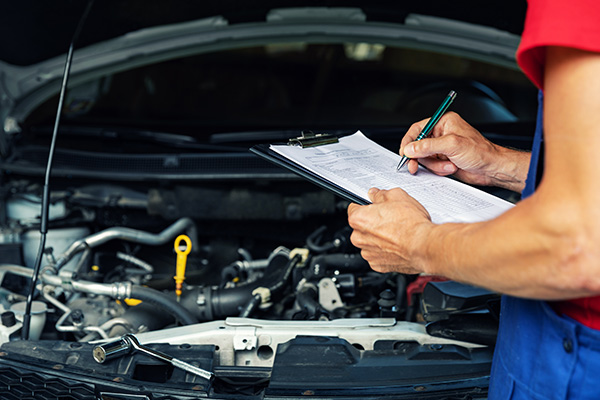
There is a unique kind of pride that comes with glancing down at your odometer and watching the numbers roll over into major territory. In a world where the average monthly payment for a brand-new vehicle keeps climbing, keeping your current ride healthy and completely paid off is one of the smartest financial moves you can make. Whenever a customer pulls into our service bay with a car that has cruised past two hundred thousand miles, our team of mechanics treats that vehicle with a massive amount of respect.
Reaching that legendary mileage milestone is never an accident. It doesn't mean the owner just got lucky with a bulletproof engine from the factory. Instead, it is always the direct result of a few deliberate, everyday habits that protect the machine from premature wear and tear. At our repair shop, we want to share the practical, real-world strategies that high-mileage drivers use to keep their vehicles running strong, safe, and dependable for decades.
Become a Fluid Perfectionist
If you want your engine and transmission to survive long enough to see two hundred thousand miles, you have to treat your vehicle's fluids as your top priority. Fluids are the absolute lifeblood of every mechanical system under the hood. Over time, these liquids lose their chemical effectiveness, accumulate microscopic metal debris, and turn into a thick sludge that destroys internal components from the inside out.
Look Beyond the Simple Oil Change: Clean engine oil is vital, but high-mileage veterans know that your transmission fluid, power steering fluid, brake fluid, and engine coolant need regular attention too. For example, fresh coolant prevents internal engine seals from rotting, while fresh transmission fluid protects expensive gear assemblies from overheating.
Fix Minor Leaks Immediately: If you spot a tiny drop of oil or a splash of brightly colored fluid on your driveway pavement, do not just ignore it and figure you will top it off later. A slow leak can quickly starve a critical system of lubrication during a long highway drive, causing terminal mechanical failure before you even notice a dashboard warning light.
Gentle Habits Behind the Wheel
The way you physically operate your vehicle every single day plays a massive role in how fast its mechanical components wear down. You do not need to drive like a turtle, but eliminating aggressive habits will take an immense amount of physical stress off your chassis.
Avoid slamming your foot down on the gas pedal, the absolute second you start your car in the morning. When an engine has been sitting overnight, all the protective motor oil drains down into the bottom pan. It takes about thirty to sixty seconds for the oil pump to push that lubrication back up to the very top of the engine block. Giving your car a brief moment to warm up before you put it in drive prevents severe metal on metal friction.
Additionally, try to practice smooth, anticipatory driving on the highway. Hard braking and sudden acceleration place unnecessary strain on your engine mounts, your transmission clutches, your suspension bushings, and your brake rotors. Driving with a smooth, progressive rhythm keeps all of these components working within their comfortable design limits, stretching their operational lifespan significantly.
Never Ignore the Small Stuff
The biggest reason cars get sent to the salvage yard prematurely isn't one massive mechanical catastrophe. Instead, it is usually a slow buildup of minor neglected issues that eventually become too expensive to fix all at once.
When you hear a faint clunking sound when driving over a speed bump, or if a minor plastic trim piece comes loose, take care of it quickly. A worn-out suspension bushing might seem harmless at first, but it will quickly alter your wheel alignment, ruin your tire tread, and place extra vibration stress on your wheel bearings. By knocking out these small, affordable repairs as they pop up, you keep the vehicle feeling tight and enjoyable to drive, which prevents you from giving up on the car out of frustration.
Reaching two hundred thousand miles on the odometer is an incredible financial victory. It means you are successfully extracting every single bit of value out of your automotive investment while completely avoiding the stress of new vehicle depreciation and monthly dealership debt.
Contact Cottman of Waldorf to Ensure Your Vehicle Lasts
Your current car has plenty of great miles left in it. We invite you to visit Cottman of Waldorf in Waldorf, MD, or give us a call to schedule an inspection today, and let us work together to keep your favorite ride moving smoothly down the highway for years to come.